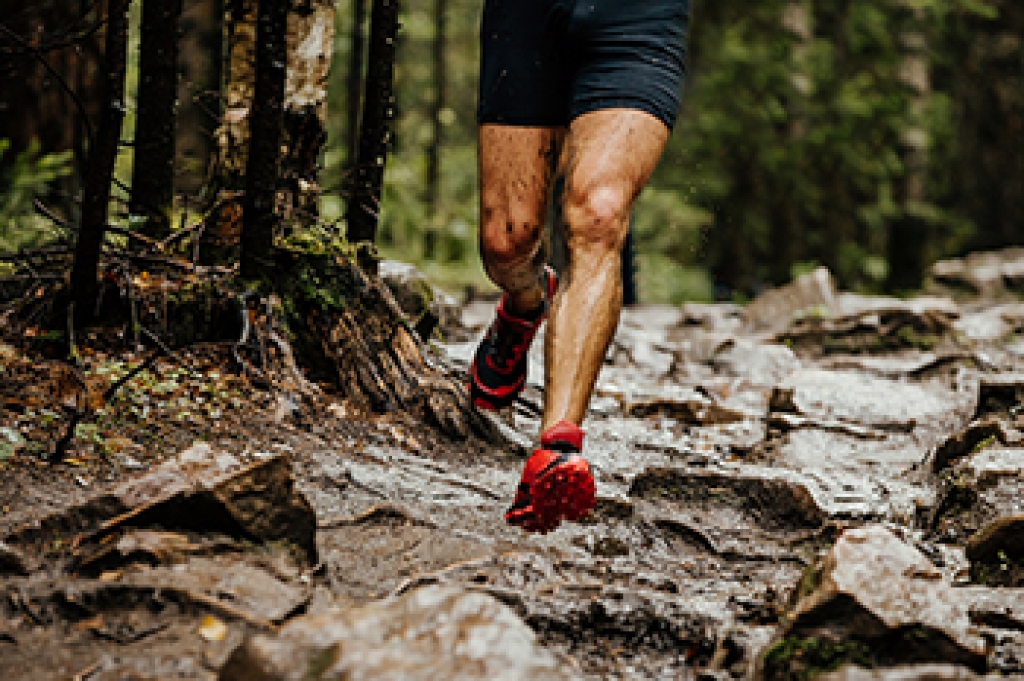
Proper Foot Care Tips for Trail Running

Because trail running challenges the feet with constant impact and shifting terrain, proper preparation is needed to keep them healthy and strong. Experts recommend wearing trail shoes that fit securely through the heel and midfoot while allowing enough room in the toe box to prevent pressure on the toenails. Moisture-wicking socks are also suggested to reduce friction and keep the skin dry, which helps prevent blisters and irritation. Many trail runners benefit from shoes with good traction and support around the arch and ankle to handle uneven ground and quick directional changes. Paying attention to how the laces are tied can improve stability on steep trails. A podiatrist can evaluate your running mechanics, provide guidance on shoe selection, and offer treatment if discomfort or injury develops. If you experience foot or ankle pain while trail running, it is suggested that you make an appointment with a podiatrist for a diagnosis and treatment.

Exercising your feet regularly with the proper foot wear is a great way to prevent injuries. If you have any concerns about your feet, contact One of our podiatrist of Santi Podiatry Group. Our doctors will treat your foot and ankle needs.

How to Prevent Running Injuries

Many common running injuries are caused by overuse and overtraining. When the back of the kneecap starts wearing out and starts causing pain in your knee, this is commonly referred to as runner’s knee. Runner’s knee is a decrease in strength in your quadriceps and can occur if you’re not wearing properly fitted or supporting shoes. To prevent runner’s knee, focusing on hip strengthening is a good idea, as well as strengthening your quads to keep the kneecaps aligned.

What Are Some Causes of Running Injuries? 
- One cause of a common running injury is called iliotibial band syndrome.
- Plantar fasciitis is also another common injury.
- Stress fractures can occur from overtraining, lack of calcium, or even your running style.

Best Ways to Prevent Running Injuries
- Wear footwear that fits properly and suits your running needs.
- Running shoes are the only protective gear that runners have to safeguard them from injury.
- Make a training schedule. Adding strengthening exercises as well as regular stretching can help keep you strong and limber and can lessen the possibility of injuries.
- Stretching keeps muscles limber; this will help you gain better flexibility.

If you have any questions, please feel free to contact our offices located in on 5th Street and Kings Highway Brooklyn, NY . We offer the newest diagnostic and treatment technologies for all your foot care needs.

Read more about How to Prevent Running Injuries

Wearing the Right Shoes for Standing Jobs

For those who work on their feet all day, wearing the right shoes is essential for comfort, safety, and overall health. Proper footwear offers stability and cushioning while providing the only interaction between your body and the ground. Shoes with safety features, such as slip-resistant soles and arch support, help prevent injuries and fatigue. Wearing the wrong shoes can lead to foot problems like plantar fasciitis, calluses, and lower back pain. A podiatrist can evaluate your feet, recommend supportive footwear, and provide custom orthotics for added relief. If you have developed foot pain during your work day, it is suggested that you consult a podiatrist who can treat various foot conditions and guide you on the proper shoes to wear for optimum foot health.

While working on the feet, it is important to take the proper care of them. For more information about working on your feet, contact One of our podiatrist from Santi Podiatry Group. Our doctors will treat your foot and ankle needs.

Working on Your Feet

Standing on your feet for long periods of time can cause stress and pain in your feet. Your whole body may experience change in terms of posture, back pain, bunions, callouses and or plantar warts. There are ways to avoid these conditions with proper foot care, smart choices and correct posture.

Positive Changes

Negative heeled shoe – Choosing this shoe type places the heel slightly lower than the ball of the foot. These are great for overall foot health. Find shoes that fit you correctly.

Go barefoot – Our feet were not designed to be enclosed for all hours of the day. Try to periodically expose your feet to air.

Eliminate Pain

Foot Exercises – Performing simple exercises, incorporating yoga and doing stretches are beneficial. This will allow increased blood flow to the area and muscles of the foot.

Achilles tendon – Stretching the foot out flat on the floor will relax the calf muscles and tendon. These exercises can be performed almost anywhere. Make sure you add these exercises to your daily regimen. 

With a little bit of this information and knowing more about foot health, you will notice changes. Foot stretches and proper footwear will help with pain and prevent further issues.

If you have any questions please contact our offices located in on 5th Street and Kings Highway Brooklyn, NY . We offer the newest diagnostic and treatment technologies for all your foot and ankle needs.

Read more about How to Handle a Long Work Day on Your Feet

What are Bunions?

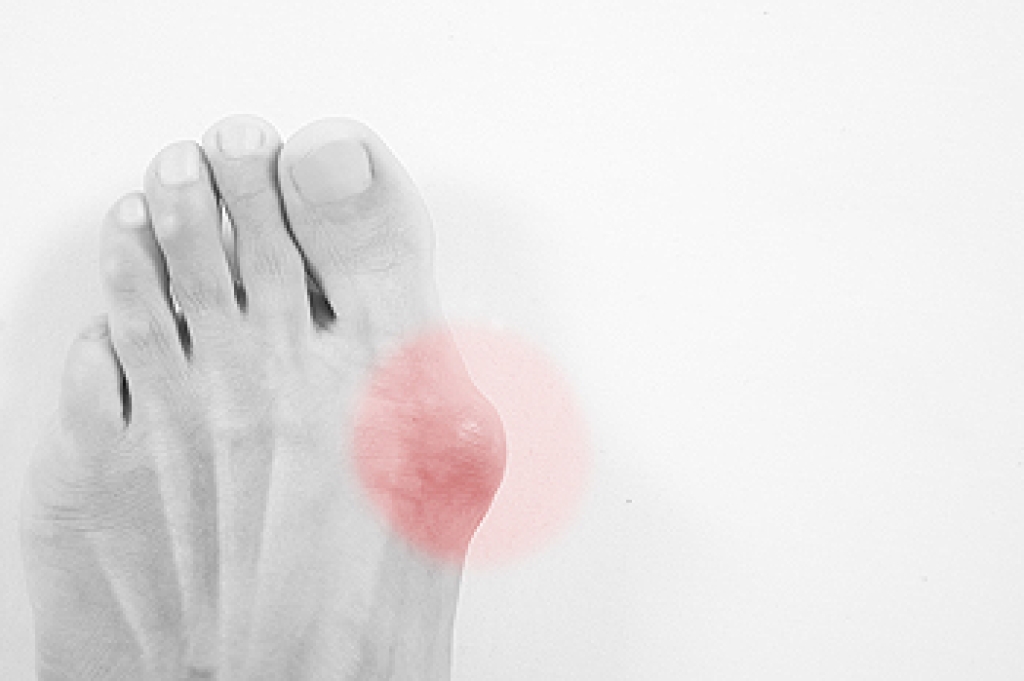
A bunion is a common foot condition that causes a visible bony protrusion to form at the base of the big or pinky toe. Bunions vary in severity, so while some may be mild, others can be painful. If a bunion is causing discomfort or pain, this could potentially lead to other foot ailments due to a shift in gait. Treatment for bunions usually begins with a change in footwear. Wearing narrow, tight, and pointed footwear can intensify an already existing bunion. Switching to wider shoes that fit properly and offer support should help to alleviate some of the symptoms associated with bunions. Shoe inserts that help improve arch support and toe spacers are also recommended in treating bunions. If these conservative methods don't provide relief, it is suggested that you consult with a local podiatrist. 

If you are suffering from bunions, contact One of our podiatrist of Santi Podiatry Group. Our doctors can provide the care you need to keep you pain-free and on your feet.

What Is a Bunion?

A bunion is formed of swollen tissue or an enlargement of boney growth, usually located at the base joint of the toe that connects to the foot. The swelling occurs due to the bones in the big toe shifting inward, which impacts the other toes of the foot. This causes the area around the base of the big toe to become inflamed and painful.

Why Do Bunions Form?

Genetics – Susceptibility to bunions are often hereditary

Stress on the feet – Poorly fitted and uncomfortable footwear that places stress on feet, such as heels, can worsen existing bunions

How Are Bunions Diagnosed?

Doctors often perform two tests – blood tests and x-rays – when trying to diagnose bunions, especially in the early stages of development. Blood tests help determine if the foot pain is being caused by something else, such as arthritis, while x-rays provide a clear picture of your bone structure to your doctor.

How Are Bunions Treated?

  • Refrain from wearing heels or similar shoes that cause discomfort
  • Select wider shoes that can provide more comfort and reduce pain
  • Anti-inflammatory and pain management drugs
  • Orthotics or foot inserts
  • Surgery

If you have any questions, please feel free to contact our offices located in on 5th Street and Kings Highway Brooklyn, NY . We offer the newest diagnostic and treatment technologies for all your foot care needs.
Read more about What Are Bunions?

Finding Relief From Hammertoes

Hammertoes develop when one or more toe joints bend abnormally, causing the toe to curl downward instead of lying flat. Over time, this imbalance can make it painful to wear shoes or walk comfortably. Genetics, tight footwear, high heels, or muscle imbalance often contribute to the problem, which may start as flexible and later become rigid. Early treatment can help prevent progression and reduce discomfort. Conservative options include wearing shoes with roomy toe boxes, using custom orthotics, and performing gentle toe stretches to restore flexibility. Padding or splints can also ease pressure on the affected joints. In more advanced cases, a podiatrist may recommend minimally invasive surgery to realign the toe and restore natural movement. If your toes feel stiff, sore, or bent out of shape, it is suggested that you schedule an appointment with a podiatrist to discuss effective treatment options.

Hammertoe

Hammertoes can be a painful condition to live with. For more information, contact One of our podiatrist from Santi Podiatry Group. Our doctors will answer any of your foot- and ankle-related questions.

Hammertoe is a foot deformity that affects the joints of the second, third, fourth, or fifth toes of your feet. It is a painful foot condition in which these toes curl and arch up, which can often lead to pain when wearing footwear.

Symptoms

  • Pain in the affected toes
  • Development of corns or calluses due to friction
  • Inflammation
  • Redness
  • Contracture of the toes

Causes

Genetics – People who are genetically predisposed to hammertoe are often more susceptible

Arthritis – Because arthritis affects the joints in your toes, further deformities stemming from arthritis can occur

Trauma – Direct trauma to the toes could potentially lead to hammertoe

Ill-fitting shoes – Undue pressure on the front of the toes from ill-fitting shoes can potentially lead to the development of hammertoe

Treatment

Orthotics – Custom made inserts can be used to help relieve pressure placed on the toes and therefore relieve some of the pain associated with it

Medications – Oral medications such as anti-inflammatories or NSAIDs could be used to treat the pain and inflammation hammertoes causes. Injections of corticosteroids are also sometimes used

Surgery – In more severe cases where the hammertoes have become more rigid, foot surgery is a potential option

If you have any questions, please feel free to contact our offices located in on 5th Street and Kings Highway Brooklyn, NY . We offer the newest diagnostic and treatment technologies for all your foot care needs.
Read more about What Are Hammertoes?

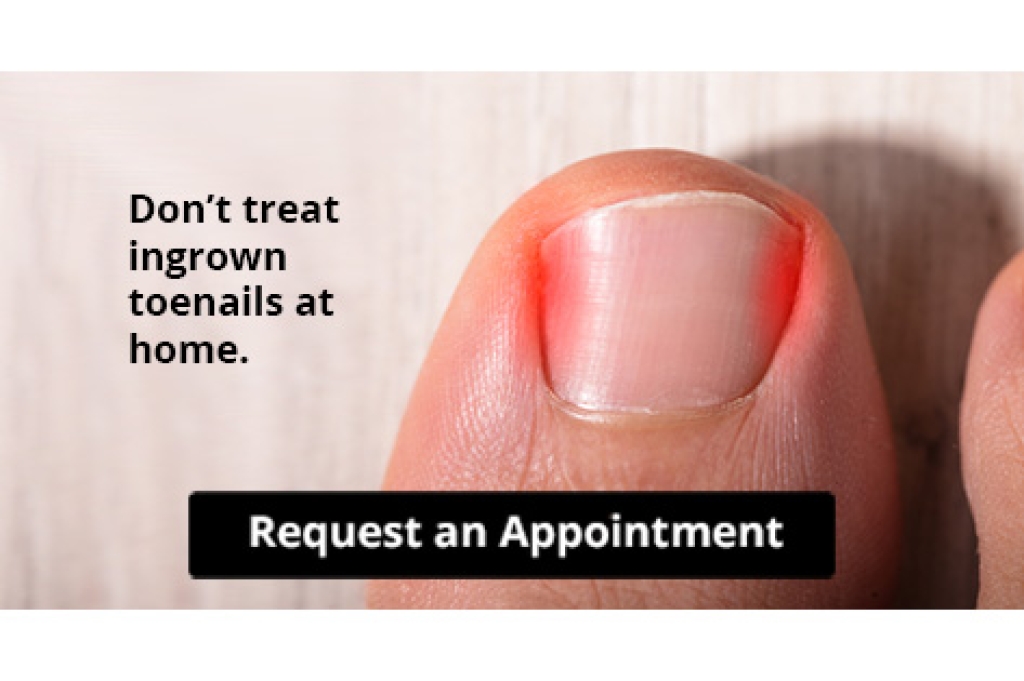
Let the Expert Treat Your Ingrown Toenails

Ingrown toenails can be painful and can make wearing shoes or walking uncomfortable. Seek professional help if you believe you've developed an ingrown toenail and be treated safely. 

scroll to top